What to Read when you don’t want to Read
An English Major’s guide to reading when you are tired and times are trying
- You do not have to be good
Lately I’ve found myself lacking any desire to read for pleasure, which is ironic because I love reading, I do. So much. I try to make reading a habit, but as with all good habits, something gets in the way. I get tired, my head hurts, I wake up late, I am busy. I have so much to do. I run out of time. So I lie down. I doomscroll. And another day ends.
What if: I do not have to be good.
- Tomorrow, partly cloudy with a chance
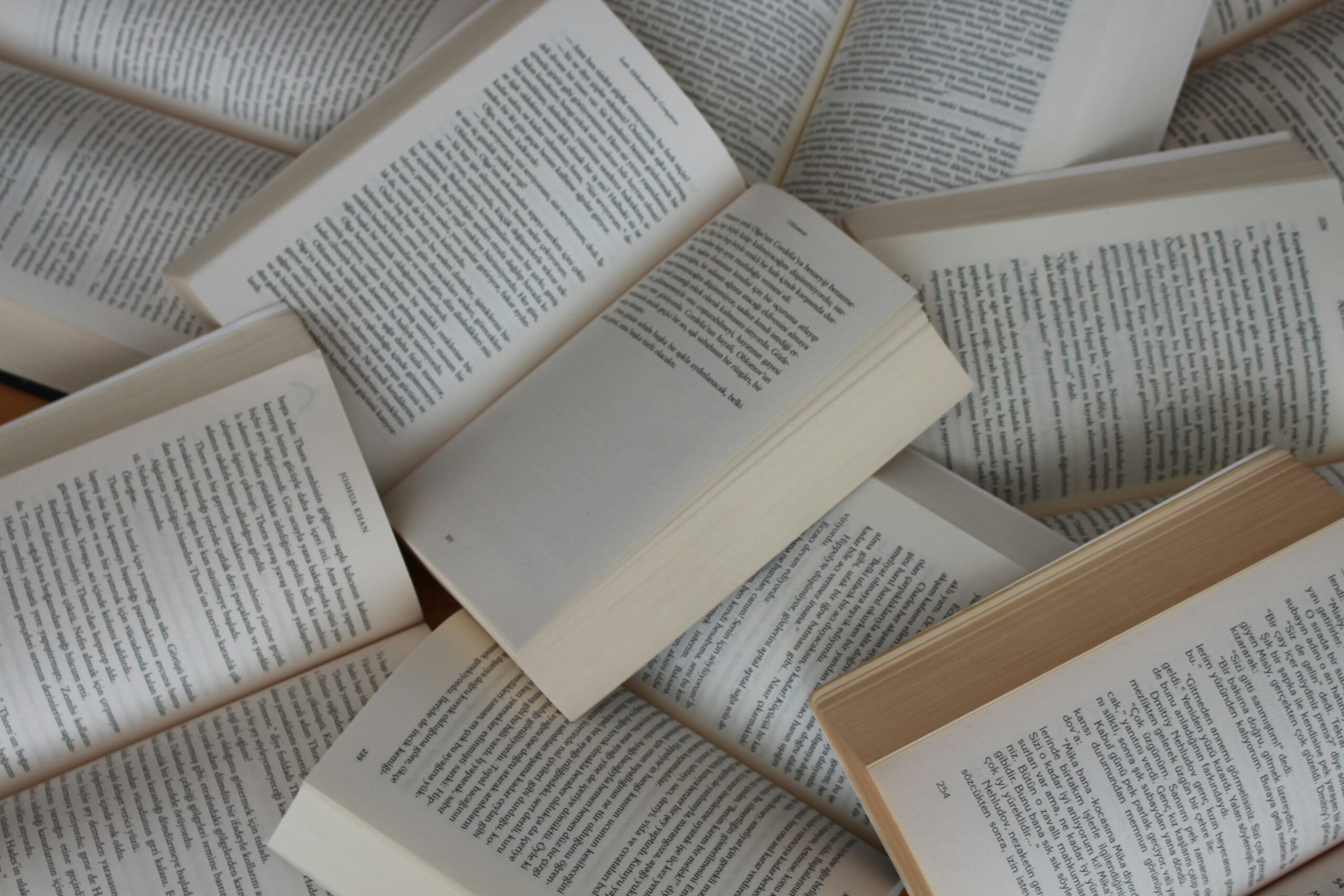
I discovered recently that I do not have to finish a book to read. Nor do I need to start a book. Just open one right in the middle. Poetry collections offer themselves to me, patiently. Mary Oliver, Carson, Vuong, and Whitman, my idols, my elders. I read one verse, one stanza. I do this as often as the sun shines in a Torontonian winter.
This morning the sun is shy. I don’t get mad at it. I’ve been struggling with bravery too.
- And I would say I love you
I used to read a lot of books on transit. It was the best way I knew how to pass a long commute, but nowadays, I wake up still half-asleep. I prefer to rest my head against the streetcar window and play music. I listen to the same albums over and over, albums I’ve loved since high school, and I never tire of them. My familiar music comforts me. It is a blanket I get to take out of bed and into the world.
This is reading too. Truthfully, it is the method of reading I should be adopting for course texts: with many returns. Return, reread, and the same words rest themselves differently in the bed of my brain.
I open my phone to change the playlist, and I see the picture of my partner I love so much. I should be better at calling her “baby.” But, for some reason that I can’t gather, my voice would catch in my throat.
- Fear or love?
I go into an English seminar and I speak. I speak possibly too much, without perfect knowledge of theory or history. I speak through the exhaustion that magnetises my head to the soft crook of my arm. My points are unsalient. A peer counters and I respond shakily. But I speak for as long as there is still air in my lungs. I have to. I have fought too hard for my seat in the room.
I changed my major to English after my first year. I came into university for Biology and I found that I could not breathe. I choked underneath the pressure. I cried to my mother on the phone. I told her I could not spend my life this way.
- Because we are the ants
The summer I broke my mother’s heart was the worst summer of my life. I was in a state of crisis, and the safest thing for me to do was nothing at all. I slept in. I left my bed unmade. I took long walks.
When I was ready, I reread my favourite YA novel. I love young-adult literature because I have been a teenager for much longer than I’ve been 20. Young adults have so much responsibility but so little power. So much to say but little credibility. Whenever I feel overlooked, I read YA to feel seen. And, when seen, I see better too.
- [E]very thing in the dim light is beautiful
I get out of my evening class at 8 p.m., starved and lethargic. The cold slices into my cheeks. I stand on the steps of Robarts and look below. I read the land. The first snow of the season is melting. The wet concrete sidewalk glimmers under the street lamp, and I am overwhelmed with feeling.
I want to call my girlfriend. I want to tell her what I’m feeling, which is simply so much. Even the sadness and the cold are beautiful. How wonderful it is that, right here and now, I get to feel and see every thing.
My partner picks up the phone. My heart races. Her lovely laughter and voice, I read that too.
References, and reading* recommendations:
- “Wild Geese” — Mary Oliver, from Dreamwork
- “Beautiful Short Loser” — Ocean Vuong, from Time is a Mother
- “Futile Devices” — Sufjan Stevens, from The Age of Adz
- “Louder Than Words” — Jonathan Larson, from tick, tick… BOOM!
- We Are the Ants, Shaun David Hutchinson
- “Song of Myself” — Walt Whitman, from Leaves of Grass
*Note: In literary studies, “literature” is scarcely limited to the written text. As well, “reading” is a broad word used to describe the act of consuming, understanding, interpreting, analyzing, and feeling in response to literature.