Project Hail Mary: Go Space or Go Home Question
Grace Rocky save stars cinema
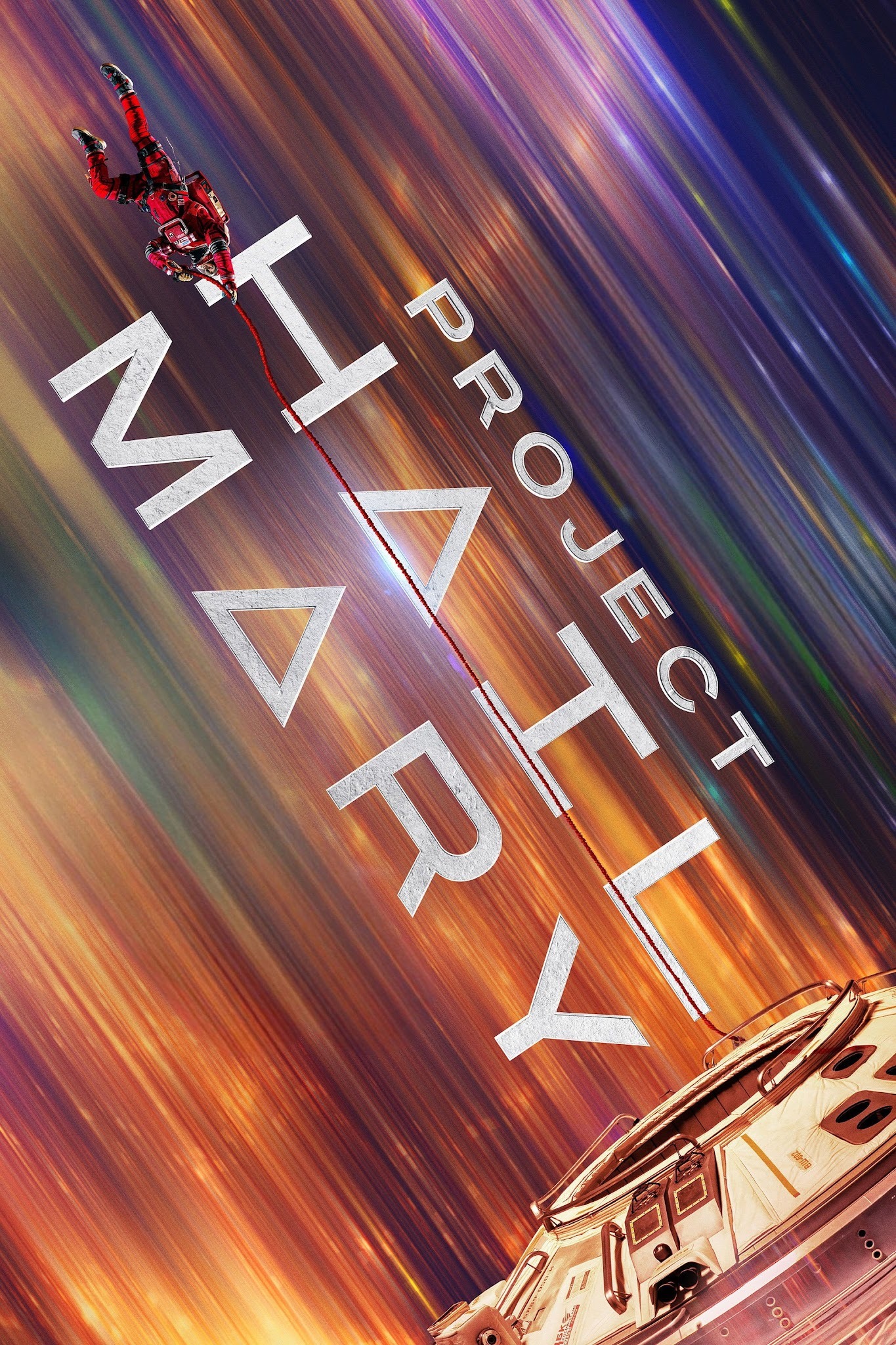
Each season, there is one guaranteed talk-of-the-town movie. Last spring, we got A Minecraft Movie (2025), followed by a Superman (2025) summer, and a Marty Supreme (2025) winter. With the coming of spring, Project Hail Mary (2026) by the director duo Phil Lord and Christopher Miller, starring Canada’s own Ryan Gosling, is undoubtedly the movie of spring ‘26. Adapted from Andy Weir’s same-titled novel, this science fiction adventure film follows Gosling’s Dr. Ryland Grace on a mission in space to discover the key to save the Earth, as well as other planets, from a mysterious substance that causes the sun to die out.
Giving it straight, this is a light-hearted hopemaxxing family-friendly movie. The film constantly uses humour to cope with trauma and fear, making it easily digestible and softening the stakes, even as the fate of Earth is up in the air. While trapped alone on a spaceship, Gosling’s charm and stellar performance make up for this spatial emptiness both formally and narratively, making the pacing more exhilarating. With the majority of the film being almost a one-man show for Gosling, his presence alone certainly made it worth watching. Lord and Miller are known for producing and directing pop-trending teenage comedies: think Sony’s Spider-Verse saga, the Lego Movie franchise, or the early 2010s classics, 21 and 22 Jump Street (2012, 2014). Examining their filmography, Project Hail Mary fits right into this narrative. While being an adventure epic movie, it is still harmless and morally conscious. While it might not be your typical sci-fi dystopian and technophobic story, it nonetheless evokes the astronomically sublime, capturing the sensational, boundless aesthetic of space travel.
One of the film’s biggest selling points is its production. To prioritise practical effects over CGI, many sets were physically built. The film claims to use no green screen during filming to enhance its realistic and tactile aesthetic. Besides the setting, Gosling’s co-star Rocky, his newly met alien companion, is brought to life through puppetry with the help of animation. However, much of this visual brilliance is credited to the cinematographer, Greig Fraser (known for Dune: Part One and Two), and the nameless visual artists, for successfully transforming space (literally and cinematically) into something phenomenal, seamlessly immersing audiences into the story world. The practice of hybrid filmmaking — digital and analogue — allows the film to embrace the craftsmanship of filmmaking while being more cost-effective. In the age of AI and an industry that prioritises profits and efficiency, the return to practical methods embraces the tradition and essence of cinema, not only as entertainment but also as an art form.
And without further exaggeration, Daniel Pemberton’s score is a crucial element in the film’s strong emotional resonance. While at times it feels overpowering in the mise-en-scène, the music conveys each scene’s tone and atmosphere with little ambiguity, making the plot easy to comprehend. As a formal technique and narrative device that tells the audience exactly what and how to feel, it elevates the visuals even more astonishingly.
Overall, this is a fun, exhilarating, and heartfelt story about hope and friendship. A refreshing take on the typical dystopian space journey; if not for its optimism, the adorable alien Rocky will definitely win the audience over. Maybe a movie does not have to be full of deep philosophical dilemmas that take hours to decode to be counted as good. It is the journey and the friends we meet along the way that make it worth it. And sometimes, we just need someone like Grace or Rocky to fist our dump, watch us sleep, and save the world.
👎Amaze! 👎Amaze! 👎Amaze!