How To Keep Human in the Age of Artificial Intelligence
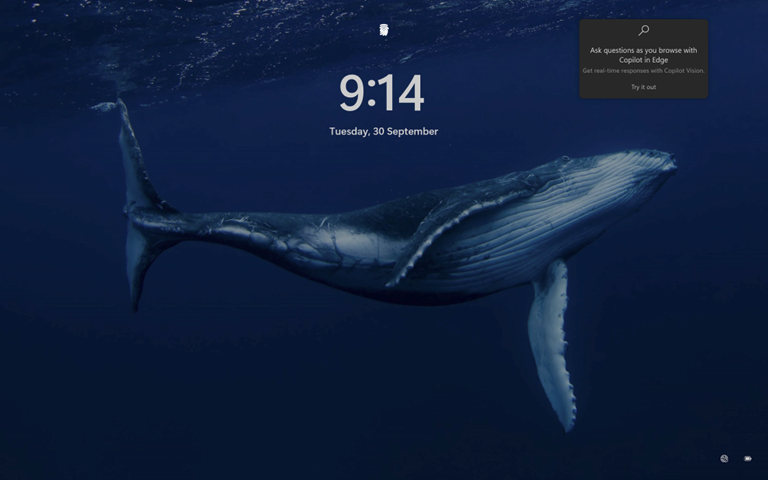
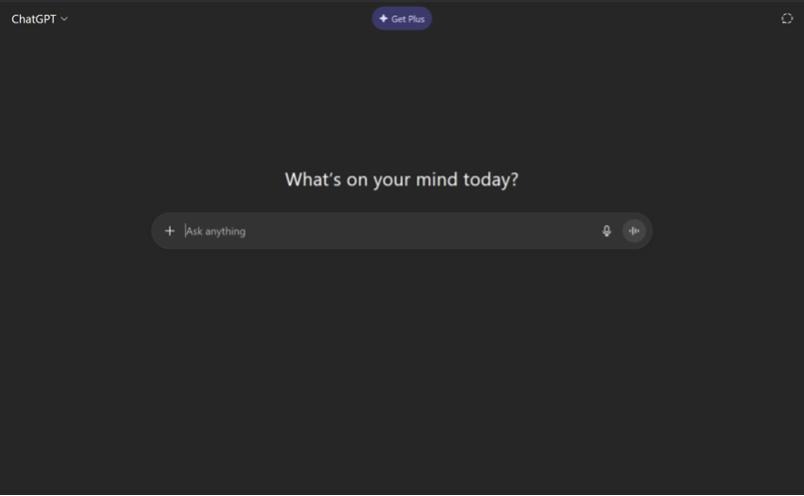
Nowadays, there is no denying the ubiquity of artificial intelligence. Ironically, as soon as I turned on my laptop to start writing this piece, Microsoft suggested that I use its artificial intelligence tool, Copilot. When most people discuss artificial intelligence, or AI, they are typically referring to large language models (LLMs) or generative AI such as ChatGPT or Microsoft Copilot. Given their immense capabilities for producing what might be considered near-human abilities to write and speak, their growing popularity comes as no surprise. One population among whom AI use is increasingly popular is students. Academically, students tend to use it for a few different purposes: to help them complete work, summarize course readings, write emails, aid their understanding of class material by asking the AI questions, and to study for assessments.
This is a problem for several reasons. The first is that LLMs are prone to hallucinating or fabricating information and sources of information by design. They are designed to mimic human patterns of writing and speech, rather than checking information and sources for validity or factuality. Additionally, they typically plagiarize from the work of real human authors, often without properly citing the human-made work they found the information in. These are all reasons we have come to expect professors to use on their syllabi as to why they are banning, or at least, restricting AI use in their courses.
There are other reasons as well, such as the exploitative and environmentally-destructive aspects of AI use. But for our purposes, we will be focusing on what I believe to be the most glaring issues with AI use in academia: that it is killing our human creativity and disrupting our natural, human ways of learning, which involve overcoming challenges, taking time to look for answers, making mistakes, and working with other humans.
AI kills our human creativity by replacing it with stolen creativity from other humans. We no longer use our own bodies and minds to create works, be they writing, music, or visual art. Since we are no longer as involved in the creation process, we do not encounter as many challenges or make as many mistakes, so we are not inclined to learn from them. Any mistakes or challenges come from the AI’s own flaws, and not the human ones that eventually help us to learn for ourselves. Generative AIs also tend to give us quick answers to questions, drawing us away from the difficult, long, and tedious research process to arrive at data and arrive at conclusions ourselves, thus leaving our critical thinking and research skills underdeveloped. Put simply, AI use is making us less intelligent, less patient, more afraid of making mistakes, and less confident in our abilities to overcome obstacles.
Given all these detrimental effects, we urgently need to find solutions. One solution has emerged in the form of professors’ bans or restrictions on AI use in academic settings. Another solution is the use of AI checker services, like Turnitin. A third has come in the form of increased exams. However, the insufficiency, inaccuracy, and the lack of clear guidelines around these leave us seeking better solutions.
I believe that with a little self-control and discipline, students hold the key to eliminating their own AI use in academics. Begin by thinking about all the negative impacts of AI use, like the ones I mentioned here. It’s likely that your moral compass wants you to be good, and so it will point away from AI based on the drawbacks that I just mentioned. Now, to make sure that we stay on this AI-free path, I ask that you block all generative AI tools using screentime management apps or tools on your devices. I set mine to have an impossibly long password that I’ll be too lazy to type. If you need some extra help with learning skills, I highly recommend reaching out to a learning strategist at your college or at the Centre for Learning Strategy Support at U of T. They can help you improve your learning skills, time management, and reduce procrastination, among other things. I also suggest reaching out to your instructors and teaching assistants to answer course-related questions or if you need support, such as extensions to complete an assignment. Lastly, please encourage others to do the same.
Remember, the key takeaway here is this: have faith in yourself and your own abilities to excel without relying on some machine. You’ve got this!