“I Can Be the Sports Car in These Rooms”: Women on Display in Tate McRae’s “Sports car”
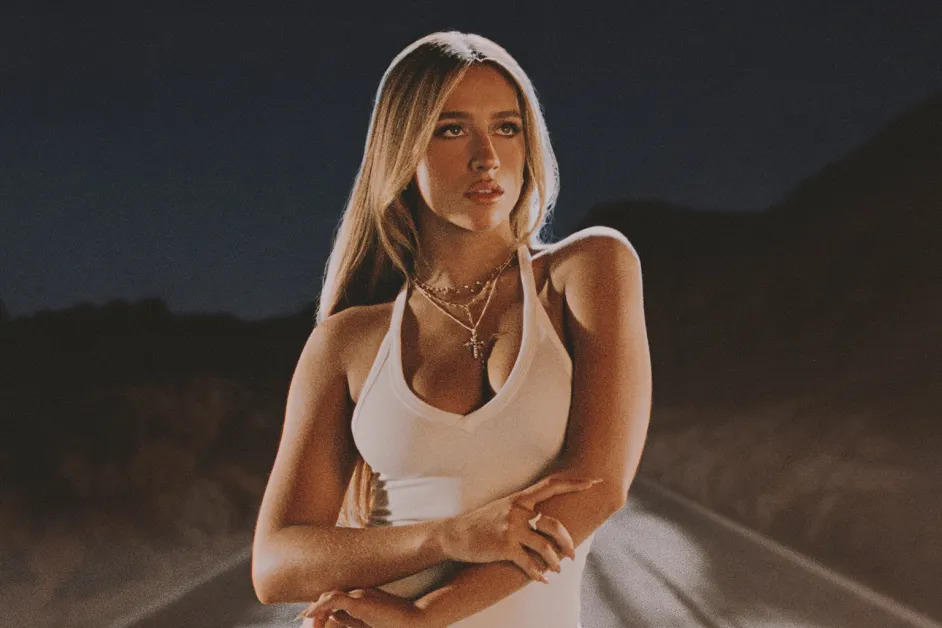
In a fit of summer madness, I became heavily engrossed in a music video from Tate McRae. (In my defence, it is a really odd music video.) Credit to the design team: over the course of the three minutes of her song “Sports car,” the twenty-three-year-old Calgary singer rapidly exhibits twelve high-fashion outfits in one day of shooting. But, truthfully, what caught my attention was the unsettling tone. It was unsettling to the point that I thought it was a critique of the fantasies put onto McRae by her audience. You can imagine my surprise when, according to both McRae and the directors, the video was a chance for her to explore different characters, symbolizing McRae’s maturity.
The video presents McRae as reclaiming control over how she is seen, but it does so through imagery historically associated with women being contained and displayed. This is seen through the set reminiscent of ‘peep shows’ and the restrictive and animalistic costumes. My suggestion is that ‘Sports car’s tone is uncomfortable because the video presents sexualized performance as evidence of her maturity and control while employing visual language of objectification.
“Sports car” draws heavily from early-2000s pop and addresses McRae’s “boy,” using the sports car as a metaphor for sexual desire and excitement. The vision for the music video comes from creative director Brett Alan Nelson and is directed by Bardia Zeinali, and is reminiscent of 1970s peep shows, suggests Aaron Williams from UPROXX. Peep shows were live pornography viewed through a viewing slot, paid for by coin. One of the “Sports car” sets places McRae on the other side of the booth window, paid for with that critical coin slot.
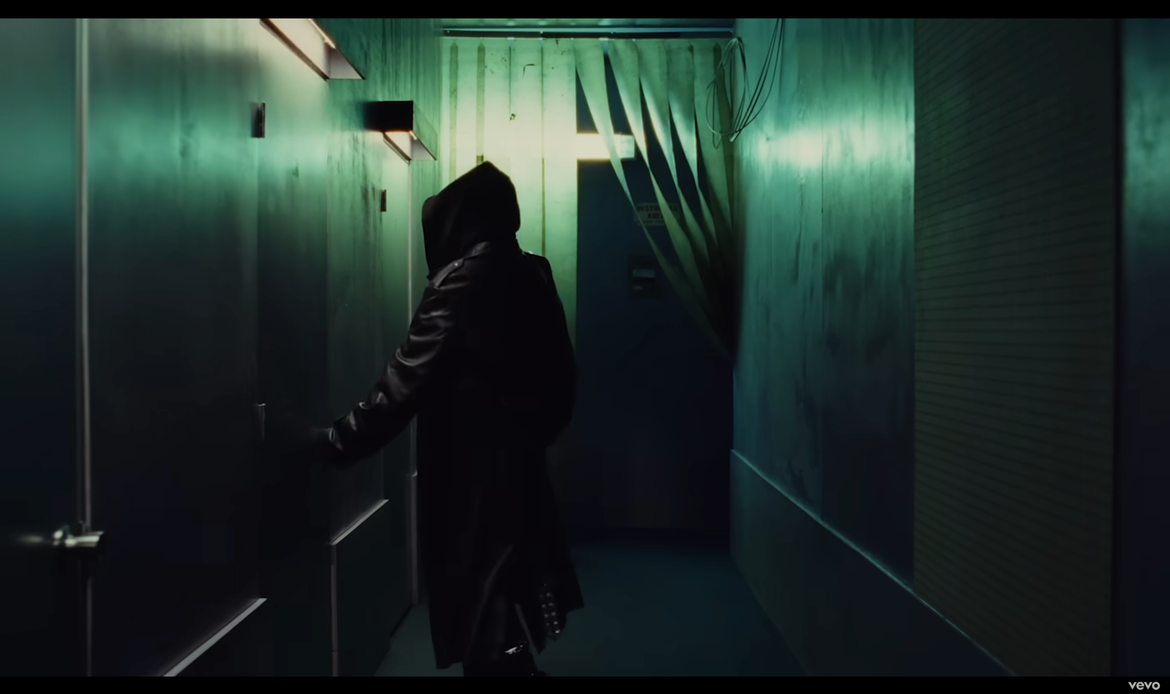
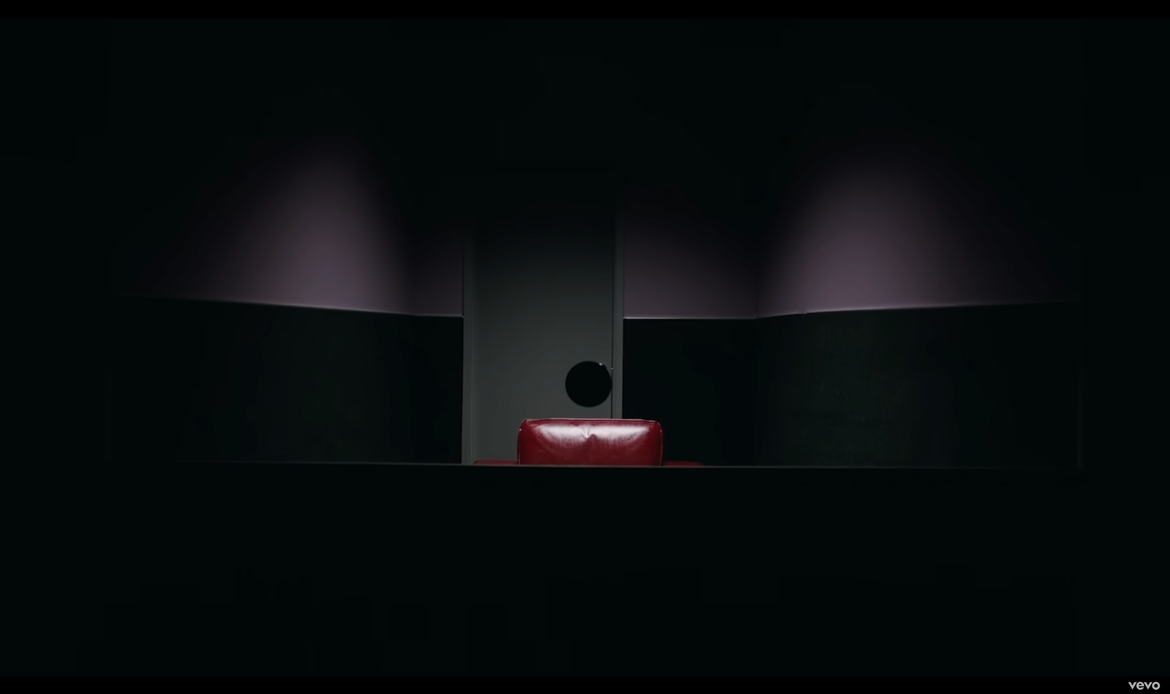
The video acknowledges the relationship between McRae, the masked viewer, and the display expected of a peep show. Each set differs in portrayal of doors, windows and other decor. Many rooms have no doors, and some have bars on the windows, adding to the odd tone.
McRae affirmed that her goal for the video was to escape the stifling critical observation she faces as a pop star, and be the first to examine different characters for herself. In Vevo’s The Making of Sports car, McRae says “I can be the sports car in these rooms; I can be the girl on display.” With McRae explicitly connecting her identity to an object being presented, the question is then asked: what does it mean for “being on display” to become an expression of maturity and control? The issue is not that “Sports car” is sexually explicit, but that its visual language borrows from a tradition in which women’s bodies become commodities for an audience.
Nelson reflected that his goal was to transform McRae from “girl crush” to “pop star,” reflecting the maturity she gained since her dancing career as a child and music career as a teenager. And how many girls can she become?
The Watcher walks between the different rooms and subsequent women. The high-fashion outfits display incredible range, but nearly all of the characters are variations on being contained, exhibited, or observed.
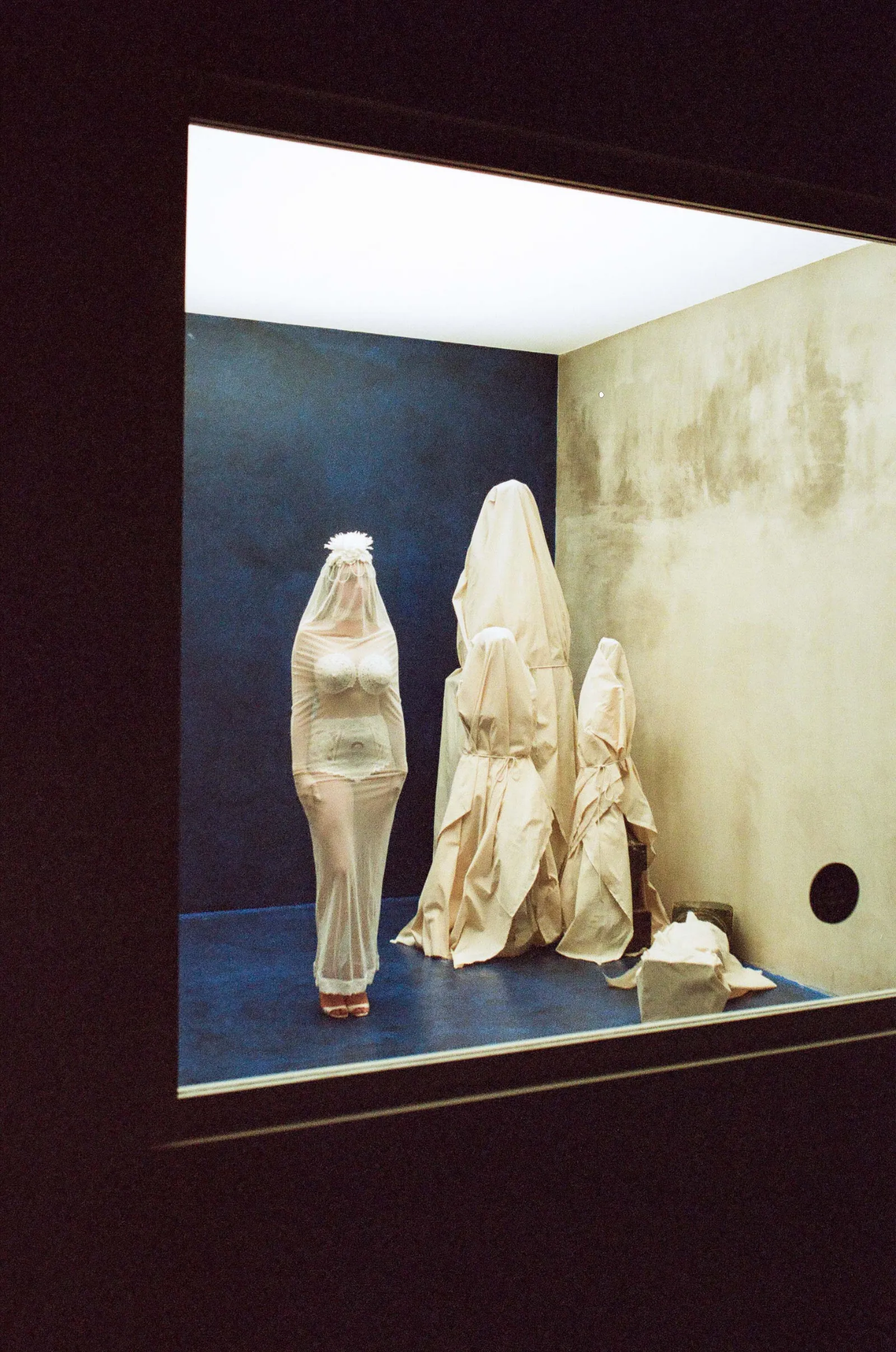
The video repeatedly uses restriction as part of McRae’s transformation. The bridal cocoon from Marine Serre’s “Sempre Legati” collection is a clear example of this, with the performance pushing at the escaping veil, as well as the shrouds in the room and purposefully dirty walls. It is a room where the door has been disguised, continuing this trapped effect.
Both the creative team and McRae discussed wanting to push the limits of who Tate McRae is. In behind-the-scenes interviews, her choreographer, Sean Bankhead, discusses how the video was an opportunity for McRae to “pull up, be more mature, and more grown about the situation,” and how McRae gravitated to the concept of “less is more.”
Here, maturity becomes directly associated with restraint, characterized by less movement, controlled presentation, and sexual confidence. McRae, inadvertently or not, participates in an industry stereotype where reducing expressive movement and clothing becomes a means of being taken more seriously. While not evident from the music video itself, McRae has discussed with multiple magazines the discomfort with the actual recording process. She says that though filming was incredible, it was a difficult performance because the outfits were difficult to move in while ensuring they were honoured and looked good. McRae says, “in some shots I was wearing six to eight-inch platform heels where I was like this is actually impossible to stand in.”
Another common theme in her outfits is domesticated or exhibited animals, for example, the cheetah-print Roberto Cavalli corset from the spring 2007 Ready-To-Wear show, and the pony-inspired look from The Blonds with boots from Alexander McQueen. Prey animals and felines are a common theme in sexualized media, which is shown explicitly through cheetah, pony, and mermaid depictions.
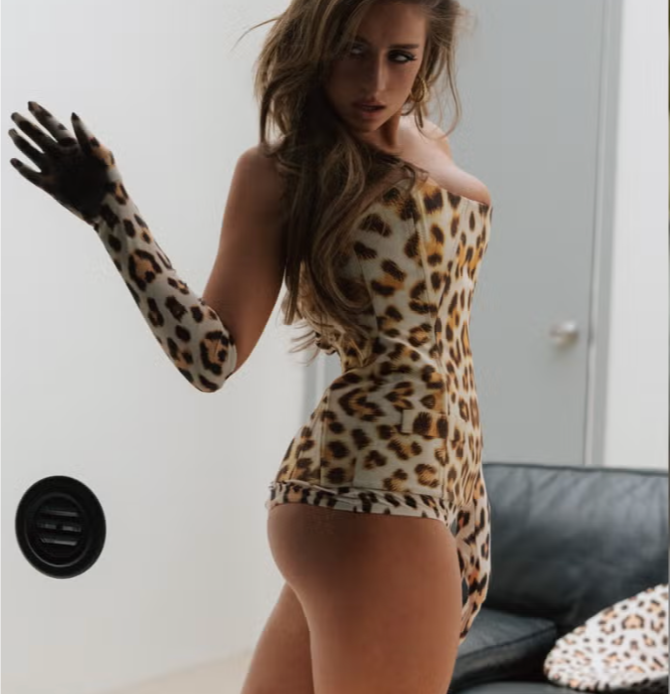
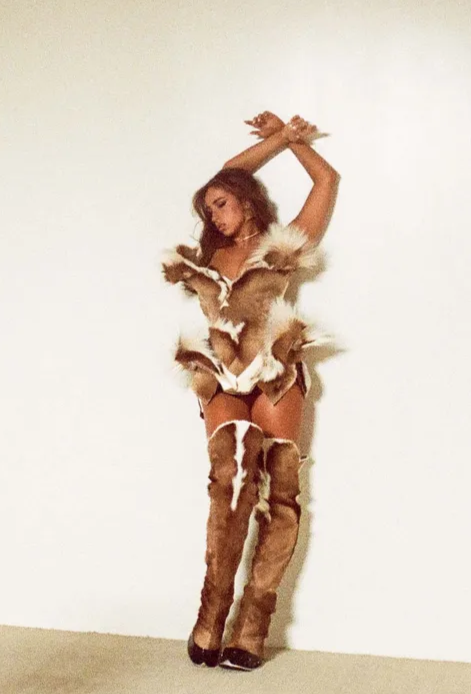
The outfits mirror the performance of horses and showponies, as well as the chosen positions of McRae to emulate tamed wilderness. These are just some of the advance photos released to Vogue. Each photograph further emulates that capture, as seen in the showpony trapped against the wall and tanked mermaid. The camera’s surveillance continues the concept of the peepshow, with far-off camera angles, and an emphasis on the divide between McRae and her audience.
In a behind-the-scenes interview, Nelson stated that “the big picture of all of this is that you are in control of your life, your relationships, and your fashion. Even though your fans have this idea of you, in the end you are in control. She’s a beautiful woman, and I’m a fashion kid, so I wanted to transform her.” The contradiction here is extreme: Nelson, a male creative director, describing his desire to “transform” a woman into a more mature version of herself in a video supposedly about McRae’s control over her identity and presentation. The music video defined maturity through restraint, sexual confidence, reduced movement, and categorized display. We move through these scenes from the perspective of the faceless Watcher, possibly representing her audience.
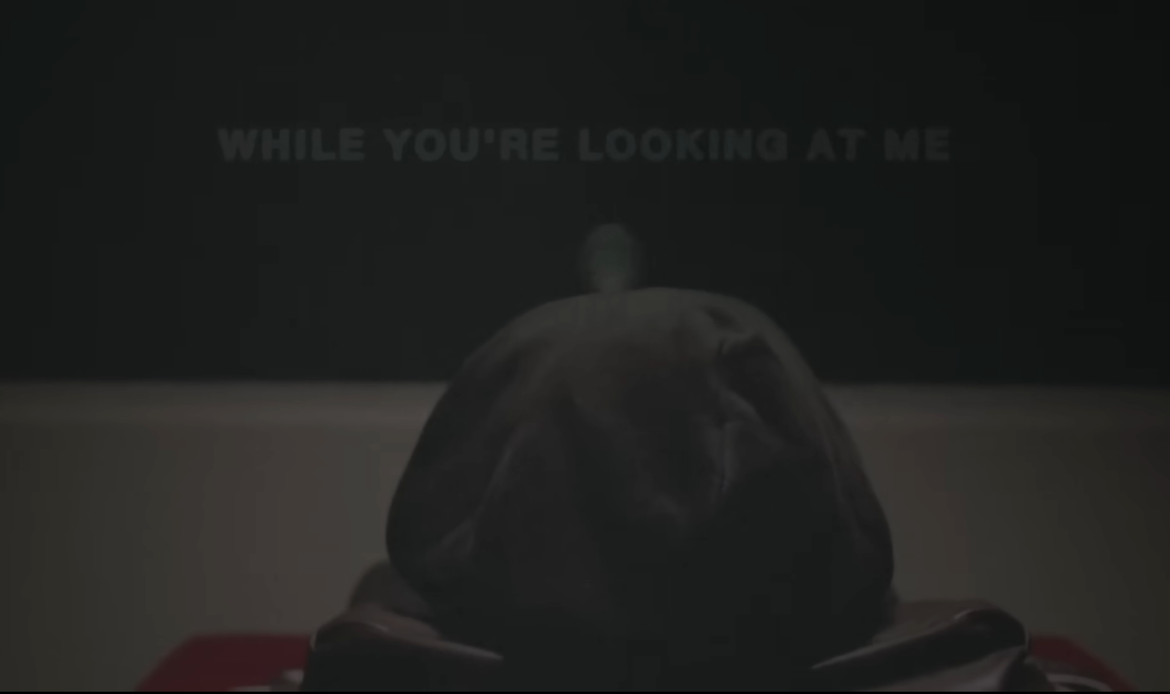
And yet, the video repels this idea in its final moments. In the final six seconds, the Watcher is revealed to be McRae herself, although largely covered by promotions for her other music videos. McRae’s face is never shown in costume, only her removing the hood in the final moments. If the rest of the video did reveal her face, it would amount to nothing, as the costume includes a mannequin-like skin covering. The mask makes even the Watcher’s identity ambiguous; McRae can occupy the position of the audience while remaining anonymous within it. The performance therefore ends with McRae on both sides of the observation. This reversal reminds of Canadian poet Margaret Atwood’s observation in The Robber Bride:
“Even pretending you aren’t catering to male fantasies is a male fantasy: pretending you’re unseen, pretending you have a life of your own, […] unconscious of the ever-present watcher peering through the keyhole, peering through the keyhole in your own head, if nowhere else. You are a woman with a man inside watching a woman. You are your own voyeur.”
That final reversal of who the Watcher is does not erase the visual language of surveillance that came before it. The uncomfortable question then becomes why McRae’s empowerment comes through becoming the object she is reclaiming. McRae’s Watcher takes on this duality of occupying the position of the audience while remaining the woman being observed. Where “Sports car” wants its audience to see a woman taking control of her image, it suggests a failure to distinguish between being in control of the audience’s gaze or being shaped by it.